
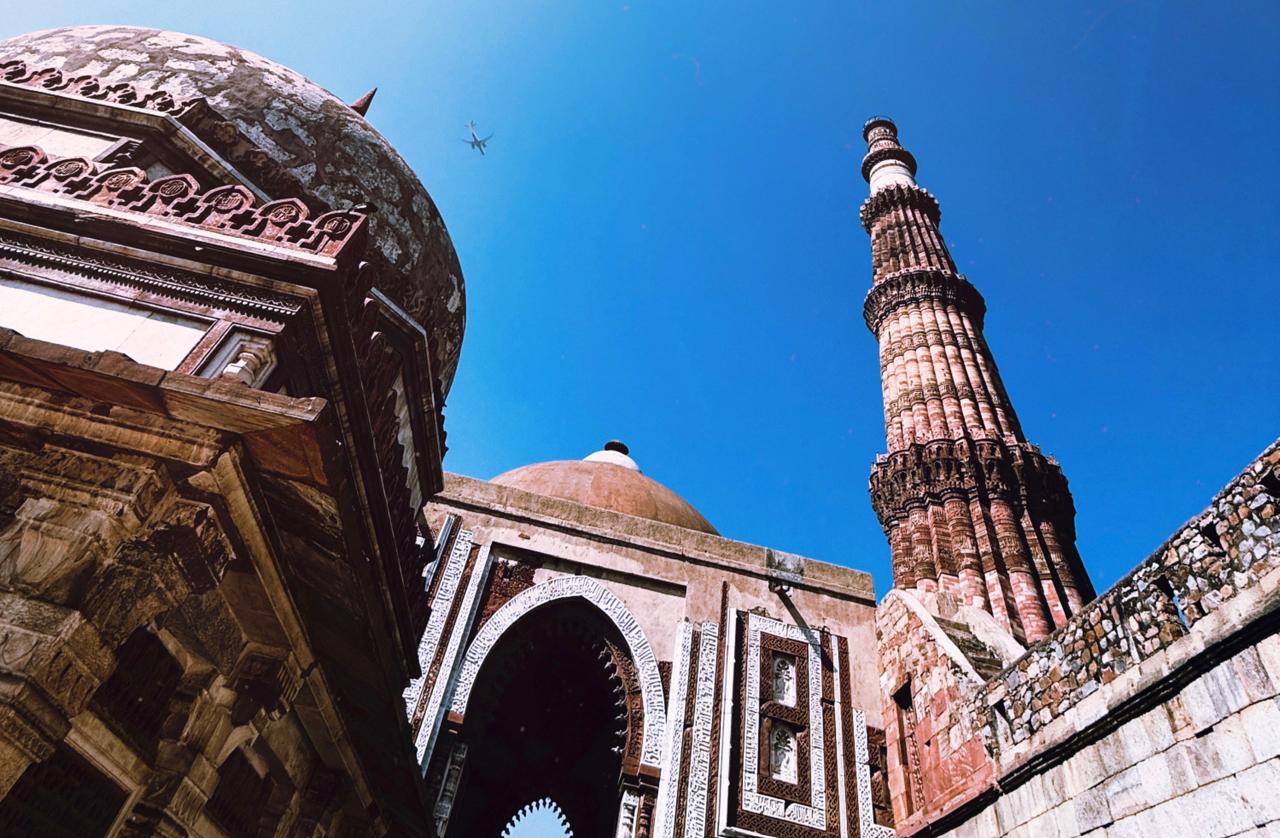
Qutub minar
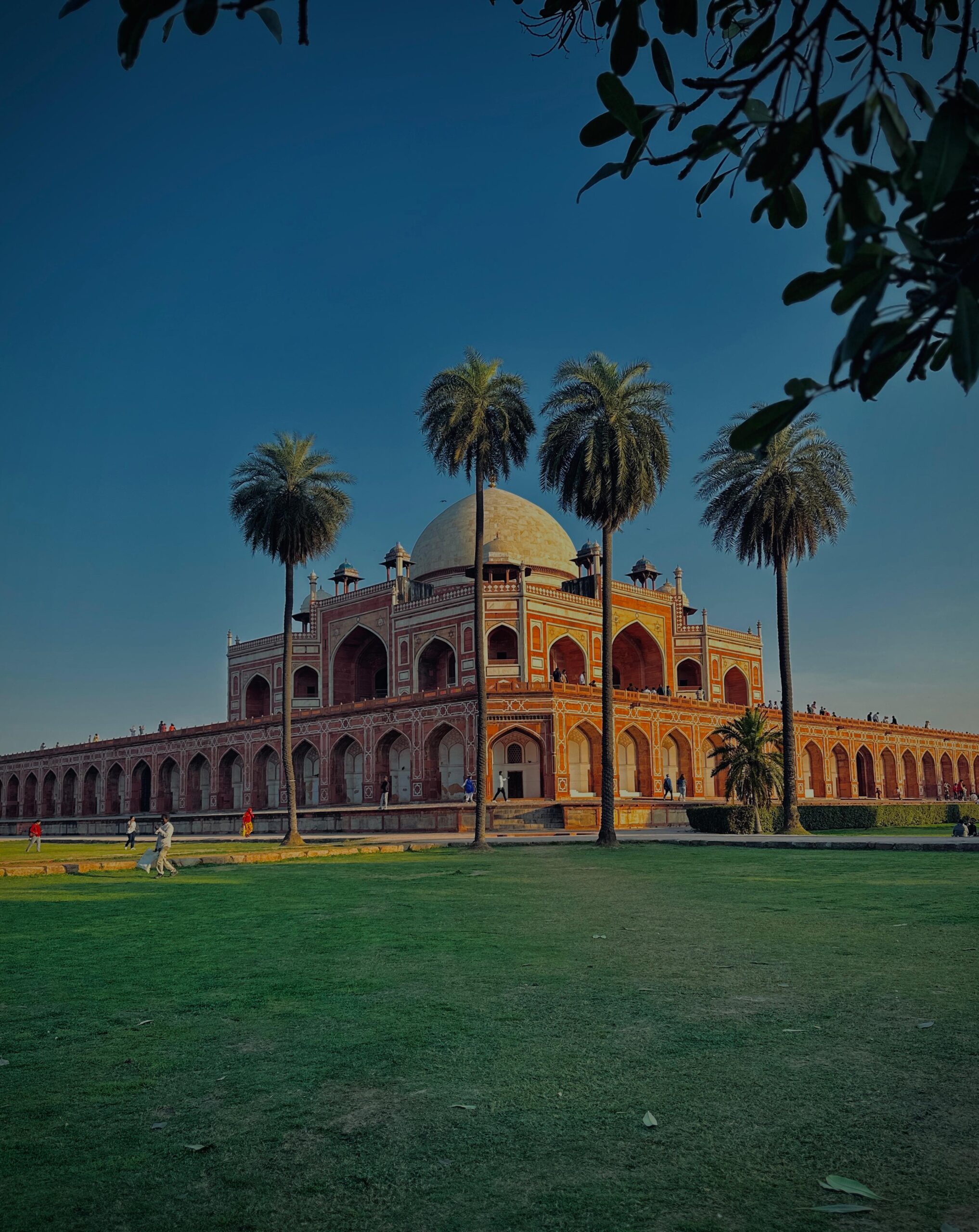
Humayuns tomb
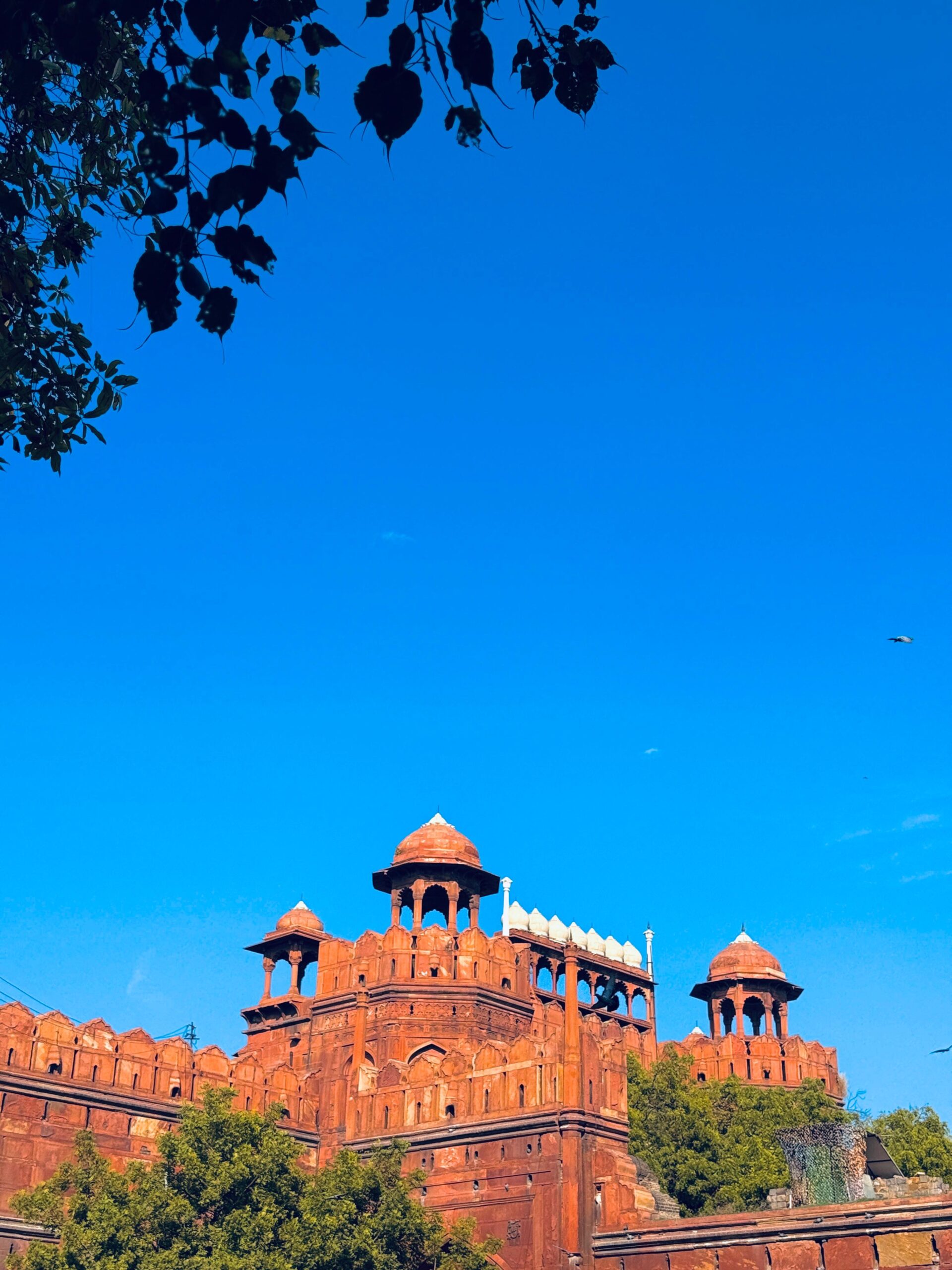
Red fort
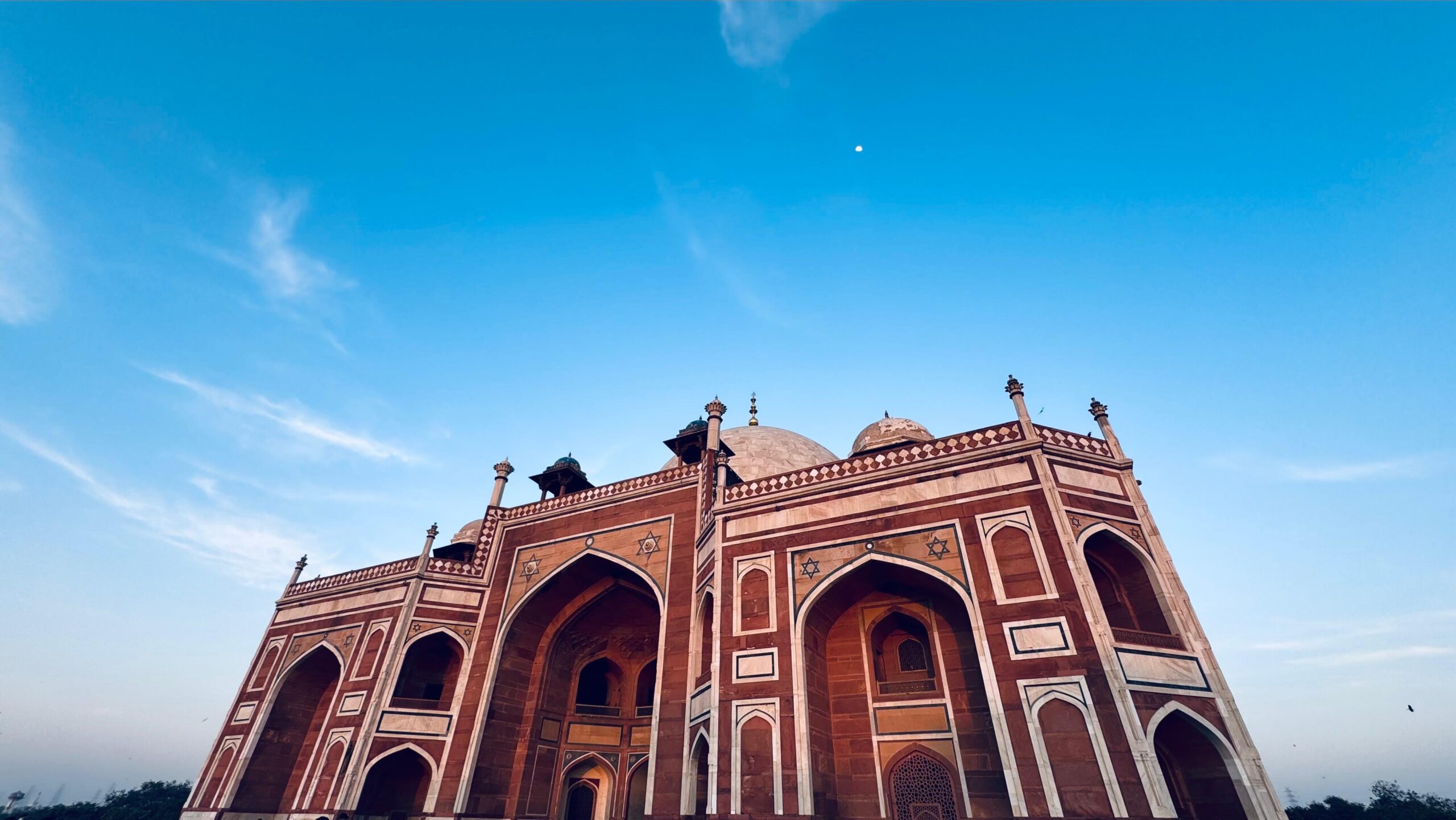
Nizamudeen east
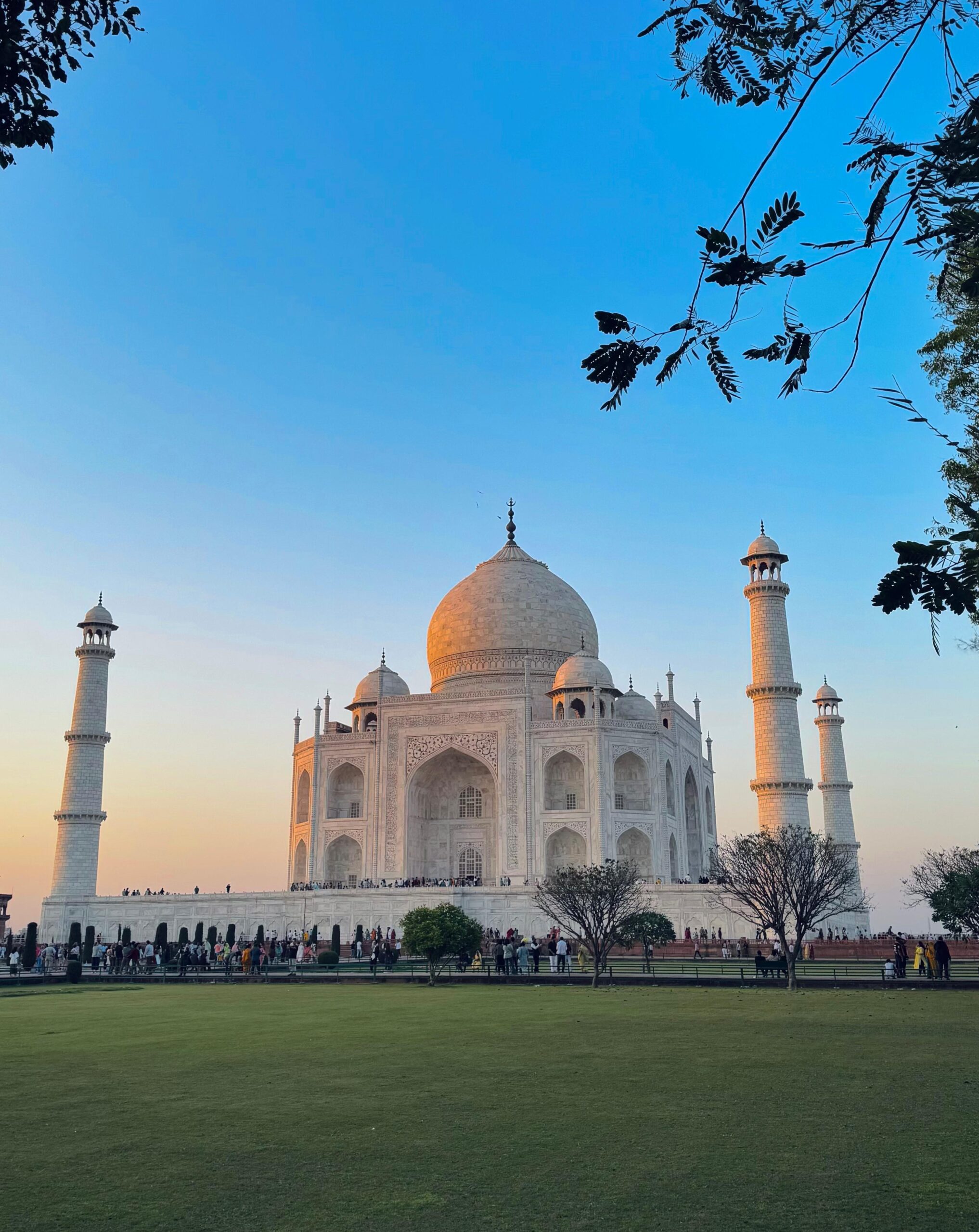
Taj mahal
Delhi isn’t just a city; it feels like a living timeline. Every monument here carries a story, a shadow, and a texture that quietly speaks of centuries past. As a travel photographer, my recent journey through Qutub Minar, Humayun’s Tomb, Red Fort, Nizamuddin East, and even the timeless Taj Mahal in Agra wasn’t only about capturing grand architecture. It was about chasing light and emotion, finding history etched in stone, and freezing those fleeting moments where the past and present meet through my lens.
Qutub Minar: Geometry in Ruins
The first frame of the trip was Qutub Minar. It’s not just a tall tower; it’s a spiral of shadow, rust, and symmetry. The soft morning light hits the sandstone just right, creating contrast and drama without filters.
Humayun’s Tomb: Where Stillness Meets Elegance
Humayun’s Tomb is a visual poem. With its red sandstone, Persian symmetry, and mirrored gardens, every corner is an invitation to compose a perfect frame. I used a wide lens to capture the tomb’s symmetry and a zoom lens for human elements like reflections in the water or pigeons taking flight against the dome.
Red Fort: Light, Layers, and Legacy
The Red Fort at sunset becomes gold. As light shifts across the red sandstone, shadows stretch and wrap around arches, creating a cinematic atmosphere. I used silhouettes of guards walking and pigeons flying to add movement to the stillness of history.
Nizamuddin East: Culture in Motion
This area, often overlooked, is a goldmine for street and cultural photography. The Sufi influence, Dargah music, street vendors, and everyday life happening around heritage structures—it’s a blend of raw, living heritage.
Taj Mahal: Beyond the Postcard
Though technically in Agra, the Taj Mahal is an essential extension of Delhi’s heritage trail. I visited during sunrise to avoid the crowd and capture that soft golden light as it kissed the white marble. I looked for off-angle perspectives, reflections in the water pools, and framing through arches to tell a fresh visual story of a monument we think we already know.